Walking into an electrical job interview in Pakistan, whether for a maintenance role, a wiring technician position, or an entry-level engineering job, can feel intimidating if you don't know what to expect. This guide covers the most commonly asked electrical interview questions and answers, from basic theory to practical wiring and safety topics, so you can walk in prepared and confident.
Why Interview Preparation Matters
Electrical interviews in Pakistan, whether at a solar installation company, a factory maintenance department, or a local workshop, tend to test a mix of theory, practical troubleshooting, and safety awareness. Employers want to know you understand core concepts and can apply them safely on real job sites. Reviewing the questions below will help you speak confidently about circuits, wiring, tools, and common home electrical problems.
Basic Electrical Theory Questions
- What is the difference between AC and DC? AC (alternating current) periodically reverses direction and is what's supplied to homes, while DC (direct current) flows in one direction, as in batteries and solar panels.
- What is Ohm's Law? It states that current equals voltage divided by resistance (I = V/R), the foundation for almost every electrical calculation.
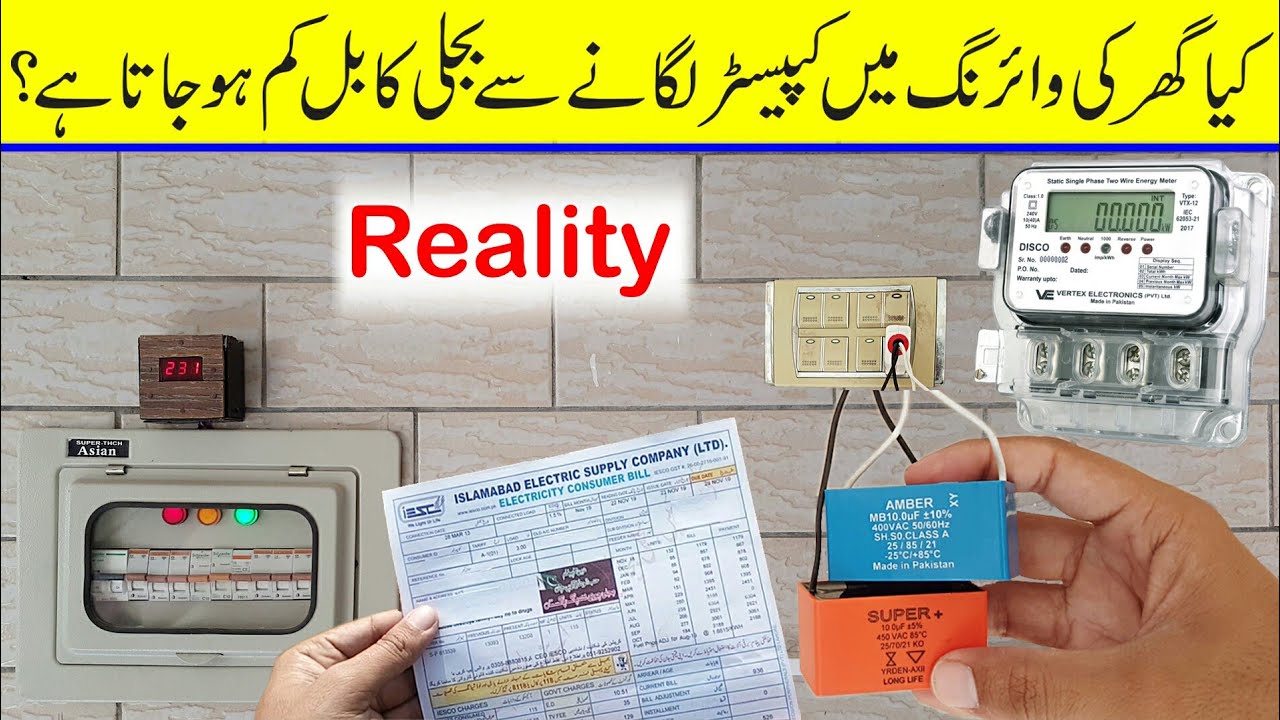
- What is Power Factor? It's the ratio of real power used to do work versus the apparent power drawn from the supply; a low power factor means wasted energy and higher bills.
- What's the difference between a fuse and a circuit breaker? Both protect circuits from overcurrent, but a fuse burns out and must be replaced, while a circuit breaker trips and can be reset.
Wiring, Safety & Practical Questions
- Why do live, neutral, and earth wires matter? The live wire carries current to the appliance, the neutral completes the circuit back, and the earth wire is a safety path that protects users from shocks in case of a fault.
- How do you size a wire or MCB for a circuit? You match the cable gauge and breaker rating to the expected load current, always leaving a safety margin so wires don't overheat.
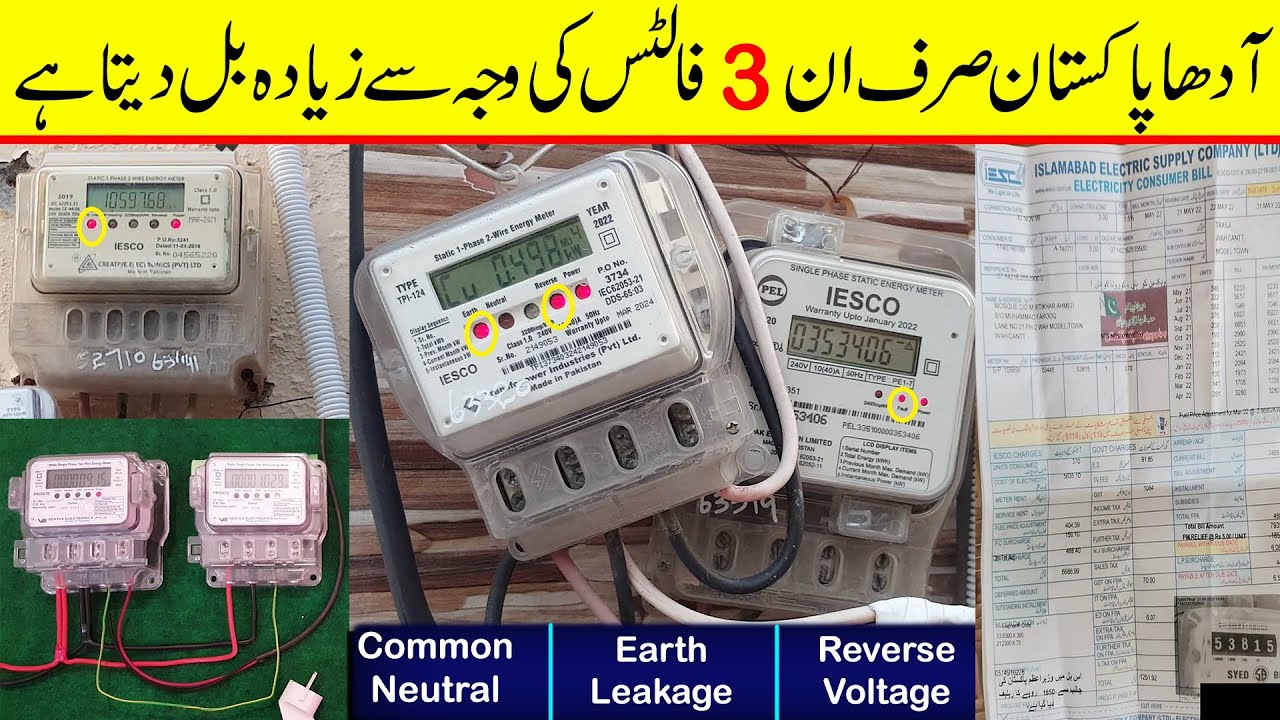
- What causes earth leakage or high bills from neutral faults? Damaged insulation, loose neutral connections, or old wiring can leak current to earth, which wastes electricity and can trip an RCD or shock someone touching the appliance body.
- What safety steps do you follow before working on a circuit? Always switch off the main breaker, verify the circuit is dead with a tester, use insulated tools, and avoid working on wiring in wet conditions.
Motors, Machines & Power Questions
- How does a single-phase motor differ from a three-phase motor? Single-phase motors run on standard household power and are used in fans and small pumps, while three-phase motors are more efficient and used in industrial machinery and larger loads.
- How do you calculate power consumption of an appliance? Multiply the appliance's wattage by the hours it runs per day to get watt-hours, then divide by 1000 to get units (kWh) for your bill.
- What is Star-Delta starting used for? It's a method to reduce the high starting current of large induction motors by initially connecting windings in a star configuration before switching to delta for normal running.
Tools Every Candidate Should Know
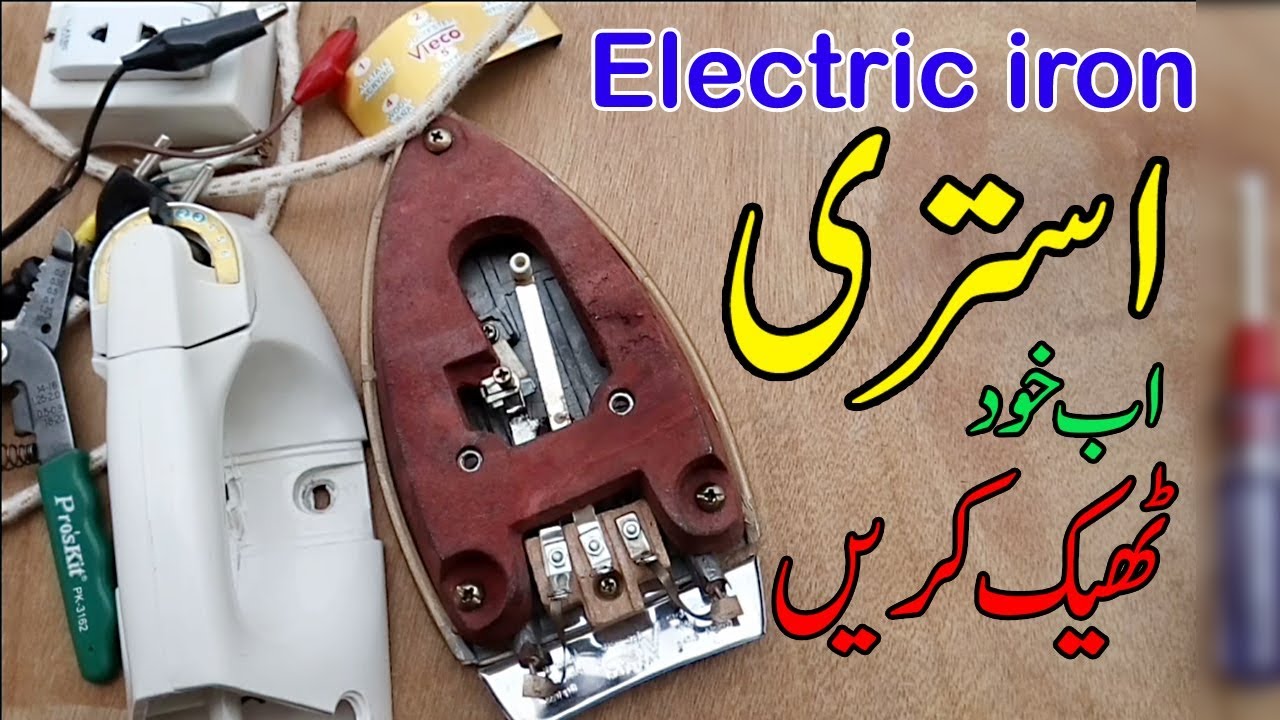
Interviewers often ask candidates to name the tools they're comfortable using. Be ready to talk about a digital multimeter, a tester screwdriver, wire strippers, insulated pliers, a Megger for insulation testing, and a good set of screwdrivers. Investing in quality electrical tools shows employers you take safety and precision seriously.
Common Mistakes to Avoid
- Guessing values instead of measuring them with a multimeter or tester during the interview or on the job.
- Skipping basic safety talk, like locking out circuits or wearing insulated gloves, because it seems obvious.
- Using undersized wire or the wrong breaker rating to save money, which risks overheating and fire.
FAQs
Do I need a diploma to get an electrical job in Pakistan?
Not always. Many technician and maintenance roles value hands-on experience and a solid grasp of practical wiring and safety, though a diploma or certification helps for engineering and supervisory positions.
Why does my electricity bill suddenly increase without new appliances?
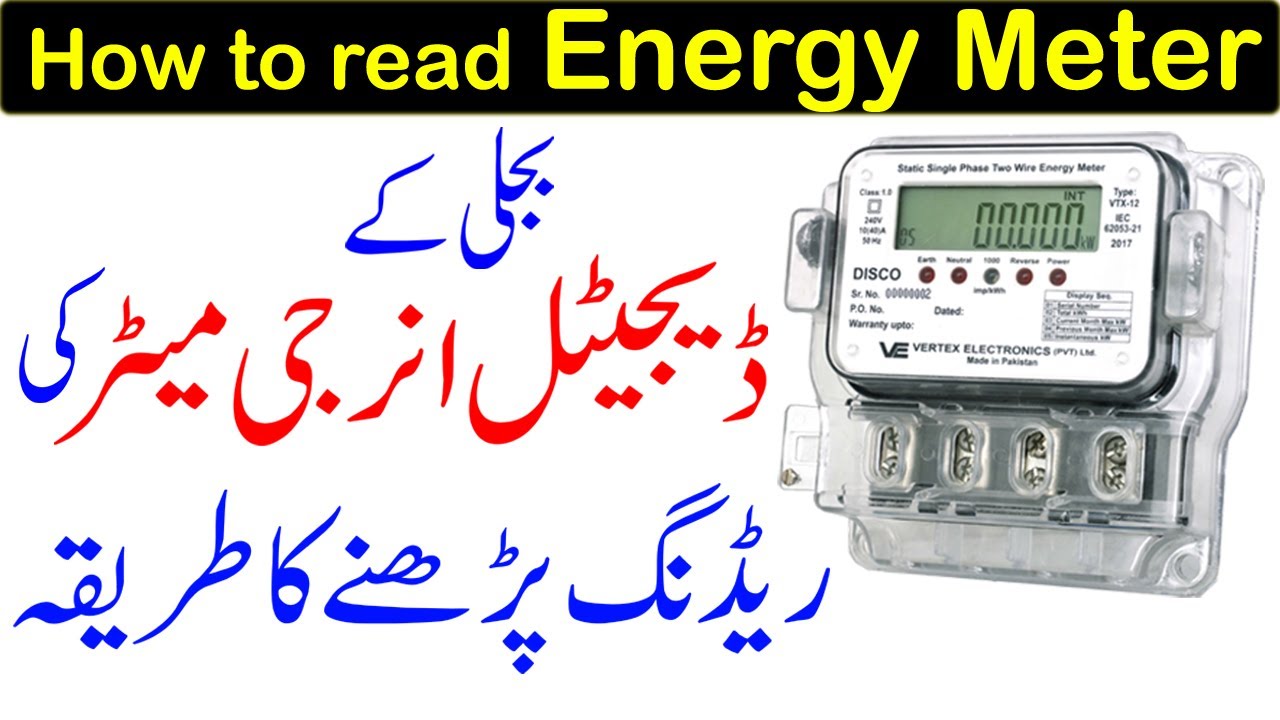
A sudden jump usually points to a hidden fault: earth leakage, a failing appliance drawing more current than normal, an old or damaged meter, or a change in the FPA (fuel price adjustment) on your bill. Checking with a multimeter or an energy monitor can help you pinpoint the cause.
What's the most common mistake candidates make in an electrical interview?
Being unable to explain basic safety practices or fumbling simple calculations like Ohm's Law. Practicing hands-on with real tools and reviewing core formulas beforehand makes a big difference.
Whether you're heading into an interview or just brushing up on your electrical know-how, a solid grasp of these fundamentals will serve you well on the job. If you need genuine parts, testers, or safety gear to practice with, browse AJ Electric's shop or reach out on WhatsApp for friendly advice from our team.