Walking into an electrical trade or engineering interview without a firm grip on the basics is one of the fastest ways to lose an opportunity. This guide rounds up the electrical interview questions that come up most often in Pakistan, covering circuit theory, wiring practices, and common safety devices, along with clear, practical answers so you can walk in prepared and confident.
Why Interview Preparation Matters
Whether you're applying for an electrician's position, a linesman role, or an entry-level electrical engineering job, interviewers typically test two things: whether you understand the theory behind how electricity works, and whether you can apply that knowledge safely on a real job site. Employers are often less interested in memorized definitions and more interested in whether you can explain a concept in plain language and describe how you would handle it in practice.
Core Electrical Concepts to Review Beforehand
- Ohm's Law and the relationship between voltage, current, and resistance
- The difference between AC (alternating current) and DC (direct current)
- How series and parallel circuits behave differently
- Power factor and why it matters for motors and heavy loads
- Earthing, grounding, and why a safe earth connection matters
Commonly Asked Interview Questions
What is the difference between AC and DC?
DC flows steadily in one direction, which is why it's used for batteries, LEDs, and most electronics. AC periodically reverses direction, which is what Pakistan's grid supplies at 50Hz to homes and factories, because it can be transformed to different voltages far more efficiently for long-distance transmission.
What is Ohm's Law and how is it applied?
Ohm's Law states that voltage equals current multiplied by resistance (V = I x R). It's the single most useful formula in electrical work because it lets you calculate any one value if you know the other two, whether you're sizing a cable, checking why a circuit is drawing too much current, or troubleshooting a dim light caused by voltage drop over a long wire run.
What is the difference between an MCB and a fuse?
An MCB (miniature circuit breaker) trips automatically on overload or short circuit and can simply be switched back on afterward, while a fuse contains a wire that melts and must be physically replaced each time it blows. Most modern homes and workshops use MCBs instead of rewireable fuses because they are safer and faster to reset. Browse AJ Electric's range of quality circuit breakers for genuine, correctly rated options.
What is the purpose of an earth wire?
The earth wire gives fault current a safe, low-resistance path back to the ground instead of through a person who touches a faulty appliance. If the live wire accidentally touches the metal body of an appliance, the earth connection lets enough current flow to trip the circuit breaker or blow the fuse immediately, rather than leaving the case live.
What is power factor, and why does it matter?
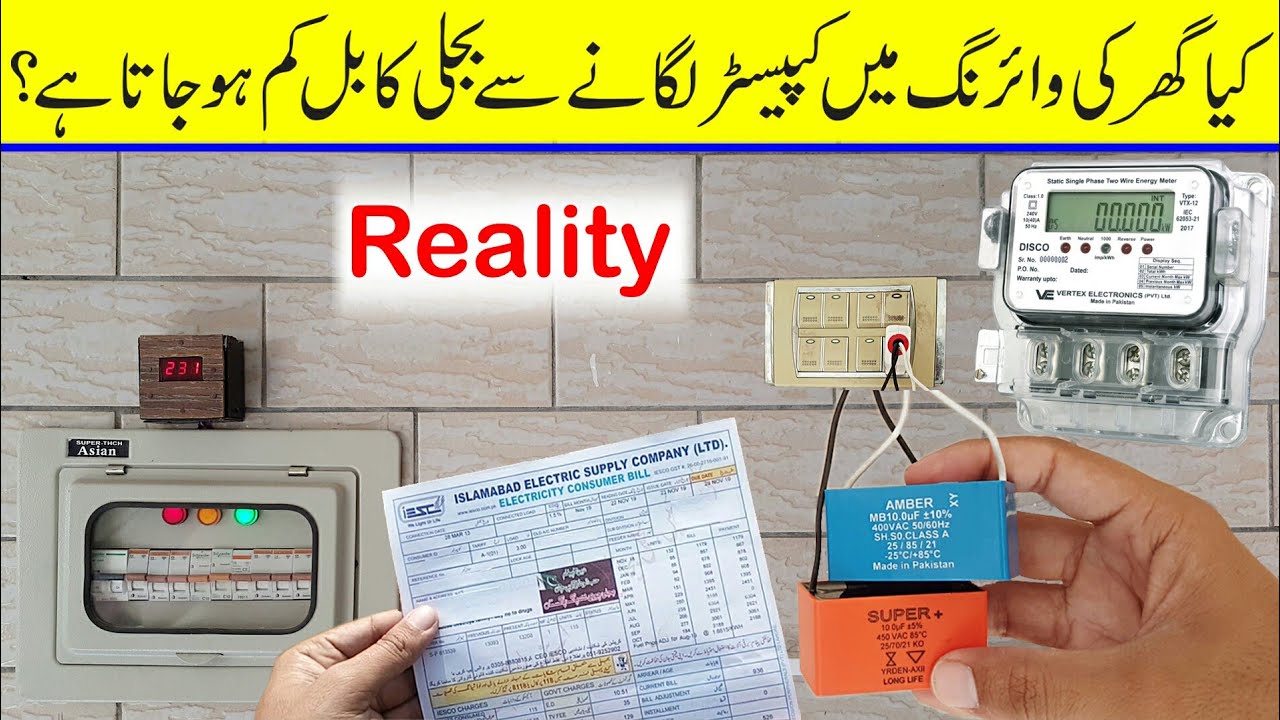
Power factor is the ratio between the real power a load actually uses and the total apparent power the supply delivers. Motors and other inductive loads pull extra reactive current that doesn't do useful work but still strains wiring and generation capacity, so industries and large installations correct it with capacitor banks to reduce losses and avoid utility penalties.
Practical and Hands-On Questions
Beyond theory, interviewers for hands-on roles often hand you a tool or a small fault scenario. Be ready to demonstrate reading a multimeter, identifying standard wire color codes, explaining basic lockout and tagout safety before working on a circuit, and describing how you would isolate a fault step by step rather than guessing. Keeping a genuine set of quality testing tools in your own kit, and being comfortable using them, shows an employer you take the practical side of the job seriously.
Common Mistakes to Avoid
- Memorizing textbook definitions without understanding the underlying concept well enough to explain it simply
- Forgetting to mention safety precautions when describing how you would handle a hands-on task
- Guessing at a fault instead of describing a logical, step-by-step troubleshooting process
- Focusing only on theory and neglecting practical, tool-based questions employers often ask
- Not asking a clarifying question when a scenario given by the interviewer is vague or incomplete
FAQs
Do I need a formal engineering degree to get hired as an electrician in Pakistan?
Not necessarily. Many working electricians in Pakistan train through DAE (Diploma of Associate Engineering) programs, trade certificates, or hands-on apprenticeships rather than a full engineering degree. What matters most to most employers is a solid grasp of fundamentals plus demonstrable practical skill, though larger companies and design-focused roles often do prefer or require a formal qualification.
What should I bring to a practical or technical interview?
Bring your CNIC and any relevant certificates or diplomas, a basic multimeter if you own one, and copies of any trade test or experience letters from previous jobs. Wearing clean, practical clothing suited to a workshop setting, and arriving ready to physically demonstrate a skill rather than only talk about it, leaves a strong impression.
Final Thoughts
Walking into an electrical interview with a clear grasp of the fundamentals, a few practical demonstrations up your sleeve, and honest answers about what you know and don't know will take you further than memorized definitions ever could. If you're already working in the trade and need genuine parts, tools, or solar equipment to back up that knowledge on the job, browse AJ Electric's shop or reach out on WhatsApp for friendly, honest advice.